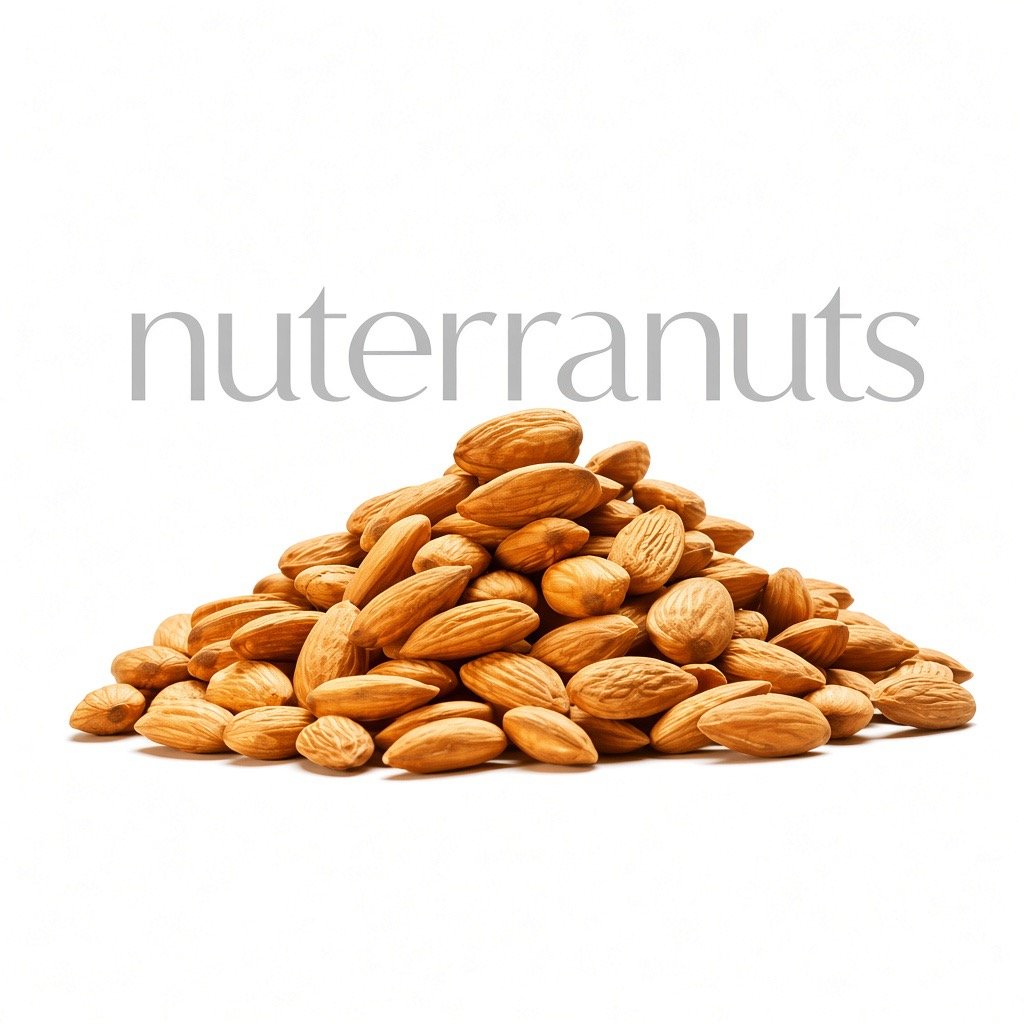
Almonds are among the most established products in the international nut trade. Their familiar flavor, crunchy texture and wide range of food applications make them an important product for wholesalers, retailers and food manufacturers.
From whole natural almonds to blanched, sliced and processed forms, almonds can be supplied for different commercial applications.
For international buyers, understanding the main quality and sourcing considerations is essential when comparing suppliers and preparing wholesale orders.
Almonds in the Global Food Industry
Almonds are consumed in many different ways. They can be sold as snacks, incorporated into nut mixes, roasted and seasoned, or processed into ingredients for food manufacturing.
They are also used in bakery products, confectionery, cereals, desserts and various plant-based food applications.
This versatility means that different buyers may require completely different specifications. A retailer may prioritize appearance and uniformity, while a food manufacturer may focus more heavily on size, processing format and consistency.
Common Commercial Forms
Whole almonds are one of the most recognizable forms in the market. They may be sold natural, roasted, salted or otherwise processed.
Blanched almonds have their skins removed and are often used in bakery and confectionery applications.
Sliced, diced and other processed almond forms can be useful for manufacturers that need an ingredient ready for a specific production process. The right form depends on the buyer's intended application.
How Almond Quality Is Evaluated
Commercial almond quality can be assessed through several factors. Appearance is important for retail products, particularly where consumers expect clean, uniform kernels.
Size and consistency can also matter when almonds are used in packaged snack products or industrial applications.
Moisture and proper storage conditions are important for maintaining texture and quality. Cleanliness and the absence of unwanted material are also essential considerations.
Before purchasing, buyers should request clear product specifications and, where appropriate, samples.
Wholesale Almond Purchasing
A professional wholesale purchase normally begins with a clear product specification. Buyers may need to define:
- Almond variety or type
- Natural or blanched form
- Whole or processed kernels
- Size specification
- Quality requirements
- Packaging
- Quantity
- Origin
- Destination
- Required documentation
Providing these details allows suppliers to prepare more accurate quotations.
Packaging and Logistics
International almond shipments may require packaging designed to protect the product during transportation and storage.
The packaging format should be agreed between buyer and supplier according to shipment size, destination, handling requirements and local regulations.
Importers should also consider shelf-life expectations and storage conditions at the destination.
Choosing an Almond Supplier
A professional supplier should be able to communicate clearly about product specifications, quantities, packaging and logistics.
Consistency is particularly important for buyers who intend to reorder the same product. Receiving significantly different specifications from one shipment to another can create problems for distributors and manufacturers.
For this reason, long-term sourcing relationships are often built around agreed specifications rather than price alone.
Nuterra Nuts
Nuterra Nuts works with sourcing partners to provide nuts and dried fruits for international wholesale markets.
Our objective is to make sourcing easier for importers, wholesalers, distributors and food businesses by focusing on product specifications, reliable communication and suitable supply options.
We understand that international buyers need more than a product name. They need clear information about the product they are purchasing and a supplier capable of communicating throughout the transaction.
Conclusion
Almonds are a versatile and globally traded nut with applications ranging from retail snacks to industrial food production.
For successful wholesale sourcing, buyers should evaluate product form, quality, size, appearance, packaging, origin and supplier reliability.
A clear specification at the beginning of the purchasing process can help both buyer and supplier establish realistic expectations and avoid unnecessary misunderstandings.
Frequently Asked Questions
What are almonds commonly used for?
Almonds are used in snacks, bakery products, confectionery, cereals, desserts, nut mixes and food manufacturing.
Can almonds be purchased in different forms?
Yes. Common commercial forms include whole natural almonds, blanched almonds, sliced almonds and diced or processed almonds.
What makes a good almond supplier?
Consistent quality, clear specifications, reliable quantities, appropriate packaging and professional communication are important factors.
Request a Quote for Almonds