
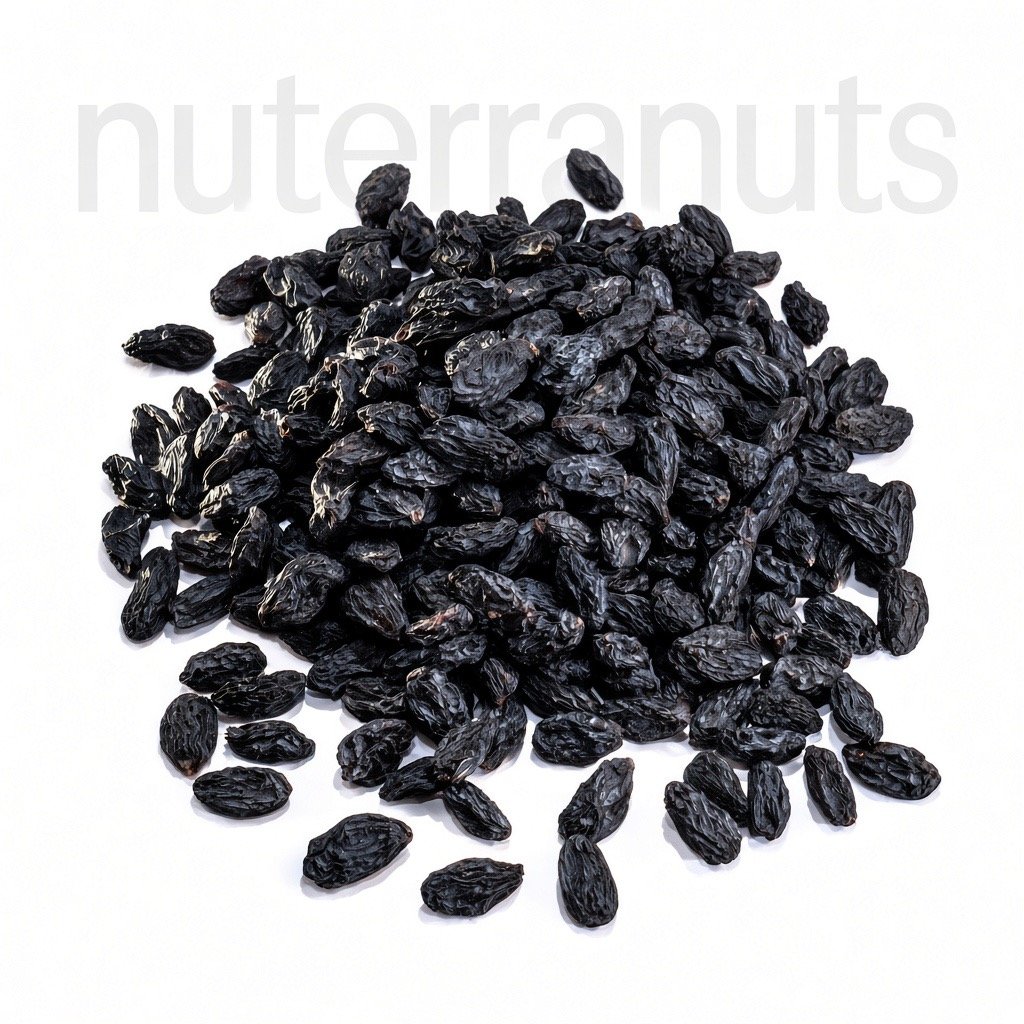
For importers and wholesalers sourcing dried grapes, the terminology can vary by region — and "maviz" is one of the terms buyers frequently encounter. This guide explains what maviz is, how it compares to other raisins, and how quality and size are assessed in trade.
What Is Maviz?
Maviz (also written mo'viz or moviz) is a regional term for sun-dried or shade-dried dark raisins, produced from specific dark grape varieties across parts of Iran and Central Asia. It is typically darker, denser and less uniformly round than the light golden "sultana-type" raisins more familiar in Western retail. In trade terms, maviz sits alongside — rather than replacing — the broader raisin category, and buyers should confirm with their supplier exactly which variety and drying method a given lot represents.
How Maviz Differs From Other Raisin Types
- Color — maviz is generally darker, often deep purple to near-black, compared to the golden-amber tone of sultana-type raisins.
- Drying method — depending on origin and variety, maviz may be sun-dried or shade-dried, which affects both color and flavor.
- Grape variety — maviz is produced from darker grape cultivars, distinct from the seedless green grapes used for golden raisins.
- Typical use — maviz is used both for direct retail sale and as an ingredient, similar to other raisin types, though regional preference plays a role in demand.
Quality Factors Buyers Should Check
Whether sourcing maviz or other raisin types, the same core quality criteria apply:
- Size and uniformity — consistent berry size within a lot is preferred for retail packaging and manufacturing use.
- Color consistency — buyers packaging for retail typically specify a consistent color range within a shipment.
- Moisture content — properly dried raisins resist clumping and spoilage and travel better over long distances.
- Stem content and impurities — cleaner lots with minimal stems, sand or foreign matter reduce processing time for the buyer.
- Defects — damaged, underdried or discolored berries are assessed and typically graded out of premium lots.
How Size / Count Is Measured for Raisins
Similar to nuts, raisins can be evaluated by count — the number of berries per a standard unit of weight, such as per 100 grams or per ounce. A sample of a given weight is drawn from the lot, and the berries within it are counted. A lower count per unit weight indicates larger, plumper berries; a higher count indicates smaller berries. This count figure helps buyers compare uniformity and size across different suppliers and lots on a consistent basis, in the same way count is used to grade pistachios and other nuts.
Sourcing Maviz & Raisins Through Nuterra Nuts
Nuterra Nuts sources both maviz and lighter raisin varieties for wholesale buyers, confirming variety, size, color range and moisture specification once we understand a buyer's intended market and use. As with all our products, we avoid presenting invented specifications — current grade, count and documentation are confirmed against the actual lot available.
Request a Quote for Raisins & Maviz