
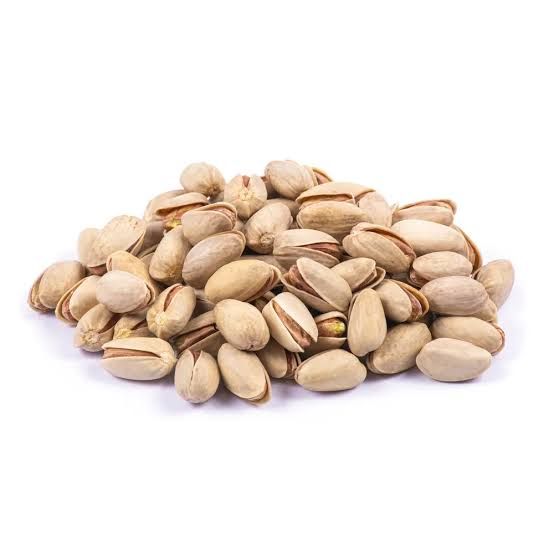
Buyers new to the pistachio trade often ask a simple question: how does a supplier actually arrive at a size number like "20/22"? The process is straightforward, and understanding it helps buyers read a specification sheet with confidence.
Step 1: Select a Representative Sample
A sample of in-shell pistachios is drawn from the lot being graded. For the count to be meaningful, the sample needs to fairly represent the batch as a whole, not just a handful of the largest or smallest nuts.
Step 2: Weigh the Sample to One Ounce
The sample is weighed out to a standard reference weight — one ounce (about 28.35 grams) is the unit most widely used in the pistachio trade. In practice, suppliers often weigh out a larger amount and calculate the per-ounce count proportionally, which improves accuracy.
Step 3: Count the Individual Nuts
The whole, in-shell pistachios within that one-ounce weight are counted one by one. This count is the number that defines the size grade.
Step 4: Express the Result as a Count Range
Rather than a single exact figure, sizes are usually expressed as a range — for example, 20/22 — to account for natural variation between individual nuts. This range tells a buyer that one ounce of that lot contains somewhere between 20 and 22 pistachios.
Why a Lower Number Means Larger Pistachios
This is the part that's easy to get backwards at first: a lower count number means larger pistachios, because fewer big nuts are needed to reach one ounce. A higher count number means smaller pistachios, because more of them are required to reach the same weight. So 18/20 pistachios are larger than 24/26 pistachios, even though 18 and 20 are smaller numbers than 24 and 26.
Why This Matters for Buyers
Knowing how count is measured lets a buyer specify size accurately when requesting a quote, compare offers from different suppliers on a like-for-like basis, and match the size grade to their intended use — larger counts for premium retail presentation, smaller counts for processing or more price-sensitive applications.
A Note on Accuracy
Because pistachio size naturally varies within any real harvest, count ranges (rather than single fixed numbers) are the standard and most honest way to describe a lot. Nuterra Nuts avoids presenting invented or overly precise figures and instead confirms the actual current count range for any lot once a buyer's requirement is known.
Request a Quote for Pistachios