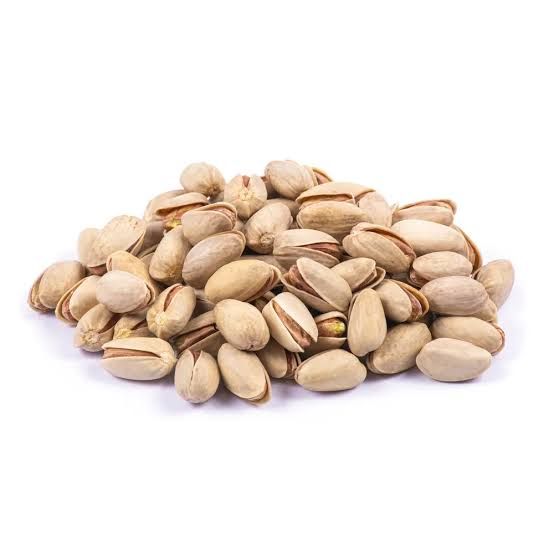
Iran is one of the world's largest pistachio-producing countries, with a growing tradition that goes back centuries. For importers, wholesalers and food manufacturers evaluating suppliers, understanding where Iranian pistachios come from and how they are graded makes it much easier to specify the right product for a given market.
Where Iranian Pistachios Are Grown
Most Iranian pistachio production is concentrated in the country's arid central and southeastern provinces, where hot summers, cold winters and low humidity create growing conditions well suited to the crop. Kerman province — including the Rafsanjan region — is the most established growing area, alongside orchards in South Khorasan, Yazd and Semnan. Harvest typically runs from late August through September, depending on region and variety.
Main Varieties in International Trade
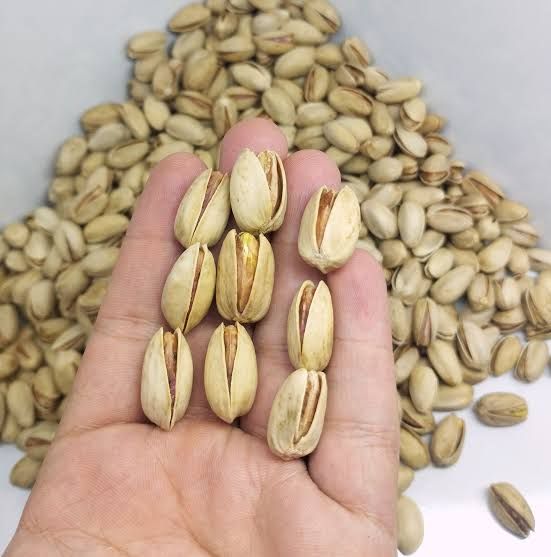
Iranian pistachios are generally traded under a handful of well-known variety names, each with a distinct shape, size and typical use:
- Akbari — the largest and longest nut, often positioned as a premium, gift-quality grade.
- Kalleh Ghoochi — large and rounded, popular for retail and premium snacking.
- Ahmad Aghaei — long and slim, valued for its appearance and flavor.
- Fandoghi — smaller and rounder, the most widely produced variety and a common choice for bulk wholesale and processing.
- Badami — almond-shaped, mid-sized, used in both retail and industrial applications.
How Quality Is Typically Assessed
Buyers sourcing pistachios generally look at a consistent set of quality indicators rather than variety alone:
- Split rate — the percentage of shells naturally opened during growth, which affects processing and visual appeal.
- Closed-shell ratio — a lower percentage of unopened shells is usually preferred, as closed shells are typically sold at a discount or processed separately.
- Moisture content — properly dried pistachios store and ship better and are less prone to quality issues in transit.
- Size / count per ounce or kilogram — larger nuts (a lower count per unit weight) are generally graded higher.
- Aflatoxin and food-safety testing — reputable suppliers test shipments against the destination market's regulatory limits before export.
Because requirements vary by destination market and application, exact specifications — grade, split rate, size, and applicable lab documentation — should always be confirmed directly with the supplier for a specific order.
Packaging & Shipping Considerations
Pistachios are commonly shipped in-shell or as kernels, in formats ranging from bulk jute or PP bags to vacuum-sealed cartons for retail-ready product. Because pistachios are sensitive to moisture and temperature, proper packaging and container conditions during long-distance shipping are an important part of preserving quality from origin to destination.
Sourcing Iranian Pistachios Through Nuterra Nuts
Nuterra Nuts works with buyers to identify the variety, grade and packaging that fit their market — whether that's bulk Fandoghi for processing or premium Akbari for retail. Because specifications and current availability depend on the season and order size, we confirm exact details once we understand a buyer's requirements.
Request a Quote for Pistachios